 New Zealand
 IndiaNew Zealand
India tour of New Zealand ODI Series, 2026
NZvsIND
ODI · Match 1
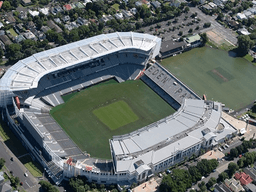
Eden Park, Auckland
IndiaMatch analysis
Select a section to explore the available match analysis.











| NZ | IND | Winner | Series | Match | Date | Ground | MOTM |
|---|---|---|---|---|---|---|---|
| 337/8 (Balls 300) | 296/10 (Balls 276) | NZ | New Zealand tour of India ODI Series, 2026 | Match 3, ODI | 18-01-2026 | Holkar Cricket Stadium, Indore | Daryl Mitchell |
| 286/3 (Balls 285) | 284/7 (Balls 300) | NZ | New Zealand tour of India ODI Series, 2026 | Match 2, ODI | 14-01-2026 | Saurashtra Cricket Association Stadium, Rajkot | Daryl Mitchell |
| 300/8 (Balls 300) | 306/6 (Balls 294) | IND | New Zealand tour of India ODI Series, 2026 | Match 1, ODI | 11-01-2026 | Kotambi Stadium, Vadodara | Virat Kohli |
| 251/7 (Balls 300) | 254/6 (Balls 294) | IND | ICC Champions Trophy, 2025 | Match Final, ODI | 09-03-2025 | Dubai International Cricket Stadium, Dubai | Rohit Sharma |
| 205/10 (Balls 273) | 249/9 (Balls 300) | IND | ICC Champions Trophy, 2025 | Match 12, ODI | 02-03-2025 | Dubai International Cricket Stadium, Dubai | Varun Chakravarthy |
Player statistics
Statistics based on the teams’ last five ODIs since 2020
Average Scores
Wickets
Winning Percentage
Venue records
| First-Inning | Second-Inning | Winner | Series | Match | Date | MOTM |
|---|---|---|---|---|---|---|
| SL: 290/8 (Balls 300) | NZ: 150/10 (Balls 178) | SL | Sri Lanka tour of New Zealand ODI Series, 2025 | Match 3, ODI | 11-01-2025 | Asitha Fernando |
Recent Performances
Top Performers
In teams’ last five ODIs





New Zealand vs India Match Preview
Pre-match context and key talking points.
New Zealand and India begin the India tour of New Zealand ODI Series, 2026 with the opening match at Eden Park, Auckland on 4 November 2026. For two sides that have already shared a compelling stretch of contests across 2025 and 2026, this first game carries immediate weight. New Zealand come in after a mixed but ultimately successful tour of the West Indies in July 2026, while India arrive on the back of high-scoring ODI cricket in their home series against West Indies in September and October 2026.
The broader backdrop adds another layer to the contest. Their last five ODIs against each other have produced a tight split in momentum rather than outright dominance. India won both meetings in the ICC Champions Trophy in 2025, including the final in Dubai, but New Zealand responded strongly in the bilateral series in India in January 2026 by taking two of the three matches. That makes this opener feel less like a fresh start and more like the next chapter in a steadily building rivalry.
Conditions & Venue
Eden Park’s reputation as a white-ball venue is well established, and the available ODI sample from the ground points to a surface where a substantial first-innings total can create immediate pressure. The average first-innings score stands at 290, while the average second-innings score is significantly lower at 150. The only ODI in the sample was played on 11 January 2025, when Sri Lanka made 290/8 and then bowled New Zealand out for 150.
That result also feeds into the batting-first numbers. Teams setting a target have won 100 percent of the ODIs in the available sample, while chasing sides are yet to win. With only one match in the sample, that trend cannot be overstated, but it does underline the value of getting ahead in the game here.
There is also a useful bowling marker. Fast bowlers have accounted for 12 wickets compared to six for slow bowlers, suggesting seamers have had the greater say. That does not rule spin out of the contest, but it does indicate that pace, hit-the-deck methods and control with the new ball could be especially influential. On a ground known for quick scoring opportunities, that balance between wicket-taking intent and damage limitation could become central.
Team Form & Head-to-Head
New Zealand’s last five ODIs show a team capable of winning in different ways, even if they were not flawless in the Caribbean. They won three of five against West Indies in July 2026, sealing the middle portion of that series with successive chases of 141 and then another pursuit of 189. Those victories were built on bowling control, as they restricted West Indies to 138, 140 and 188 in three of the games. The concern, though, is that in the two defeats they conceded successful chases of 268 and 269 after posting 267 and 268 themselves. That contrast suggests a side whose bowling can decisively shape matches, but whose margin for error narrows when opponents settle in a chase.
India’s last five ODIs have been higher scoring and more volatile. They lost two matches in England in July 2026, including a chase that fell short after England posted 387/3 at Lord’s, but they then took the first two games against West Indies at home. Those wins were emphatic with the bat: India chased 300/2 in 41.4 overs at Thiruvananthapuram on 27 September 2026 and then reeled in 406/2 in just 43.3 overs at Guwahati on 30 September 2026. Even in defeat in the third ODI against West Indies on 3 October 2026, India still posted 351/7. The pattern is clear: their batting has operated at a very high ceiling, but their bowling has also been tested when totals have climbed.
The head-to-head record across the last five ODIs is finely balanced but revealing. India won the two meetings in Dubai in March 2025, both while chasing, including the Champions Trophy final. New Zealand then answered in January 2026 by winning two of the three ODIs in India. The standout theme from that series was New Zealand’s ability to put India under sustained batting pressure through substantial scores and disciplined bowling. They chased 286/3 in Rajkot on 14 January 2026 and followed it with a 337/8 total in Indore on 18 January 2026, winning both matches.
Players to Watch
For New Zealand, Daryl Mitchell stands out immediately. Few players in this fixture have stronger recent evidence against the opposition. In the January 2026 series in India, he made 84, 131 and 137 in three consecutive ODIs, a remarkable sequence that underpinned New Zealand’s success. Even in a quieter West Indies series in July 2026, he still produced a top score of 65. His record against India’s attack is also encouraging, particularly against Kuldeep Yadav, against whom he has scored 104 runs from 96 balls for only one dismissal.
Mitchell Santner’s influence goes beyond numbers alone because he leads New Zealand and offers balance in both disciplines. He was player of the match in Bridgetown on 19 July 2026 after helping New Zealand close out a chase, and he also picked up multiple wickets in three ODIs against West Indies. Against India, his matchup data is notable: he has dismissed Shubman Gill, Shreyas Iyer and KL Rahul, while also keeping scoring rates in check. On a venue where fast bowlers may dominate overall, Santner’s control in the middle overs could still be vital.
Among New Zealand’s seam options, Kyle Jamieson and Kristian Clarke have useful indicators against this opposition. Jamieson took 4 for 41 in Vadodara on 11 January 2026 and has removed Shubman Gill and Rohit Sharma twice each in ODI meetings. Clarke, meanwhile, claimed three wickets in both Rajkot and Indore in January 2026, and has dismissed Virat Kohli twice and Shreyas Iyer twice. If Eden Park again rewards pace, those matchups could matter.
India’s batting spotlight naturally falls on Shubman Gill, Virat Kohli and Rohit Sharma. Gill arrives in excellent touch after scores of 110 and 223 against West Indies in September 2026. His wider record against New Zealand is formidable as well, featuring an ODI double-century in Hyderabad in 2023. He has scored freely against several New Zealand bowlers, though Jamieson has had some success against him, dismissing him twice.
Kohli remains one of India’s most important ODI batters, and his form line includes 139 against West Indies on 27 September 2026 and 124 against New Zealand in Indore on 18 January 2026. His contest with New Zealand’s all-round and seam options is one to track closely. Mitchell Santner has dismissed him twice in their ODI meetings, while Clarke has also accounted for him twice.
Rohit has also built strong momentum with 138 against England at Lord’s on 19 July 2026, 101 against West Indies on 30 September 2026 and 92 in the following match. He was player of the match in the Champions Trophy final against New Zealand in March 2025 after making 76. That blend of current touch and past success against this opponent gives India a powerful top-order platform.
Kuldeep Yadav could be India’s key middle-overs bowler. He took 4 for 40 against West Indies in September 2026 and was player of the match in that game. Against New Zealand, he has previously produced wicket-taking spells, including 2 for 40 in the 2025 Champions Trophy final and 3 for 62 in Indore in 2023. His battle with New Zealand’s middle order, especially aggressive players willing to take on spin, may help determine whether India can slow the game down after the PowerPlay.
Final Word
This opener brings together two teams with contrasting recent profiles. New Zealand’s strongest results have come when their bowling, especially pace, has controlled the shape of the game. India’s biggest statements have come through overwhelming batting power and rapid chases. At Eden Park, where the available evidence points to a strong first-innings score carrying real weight and fast bowlers having a significant role, the decisive question may be which side adapts faster to the venue’s demands.
If New Zealand’s seamers can recreate the pressure they applied in January 2026, they can challenge even India’s in-form batting. If India’s top order carries its September and October 2026 fluency into Auckland, they have the firepower to shift the game quickly. That tension makes for an absorbing start to the series.
Match News
Recent news and updates related to this match.